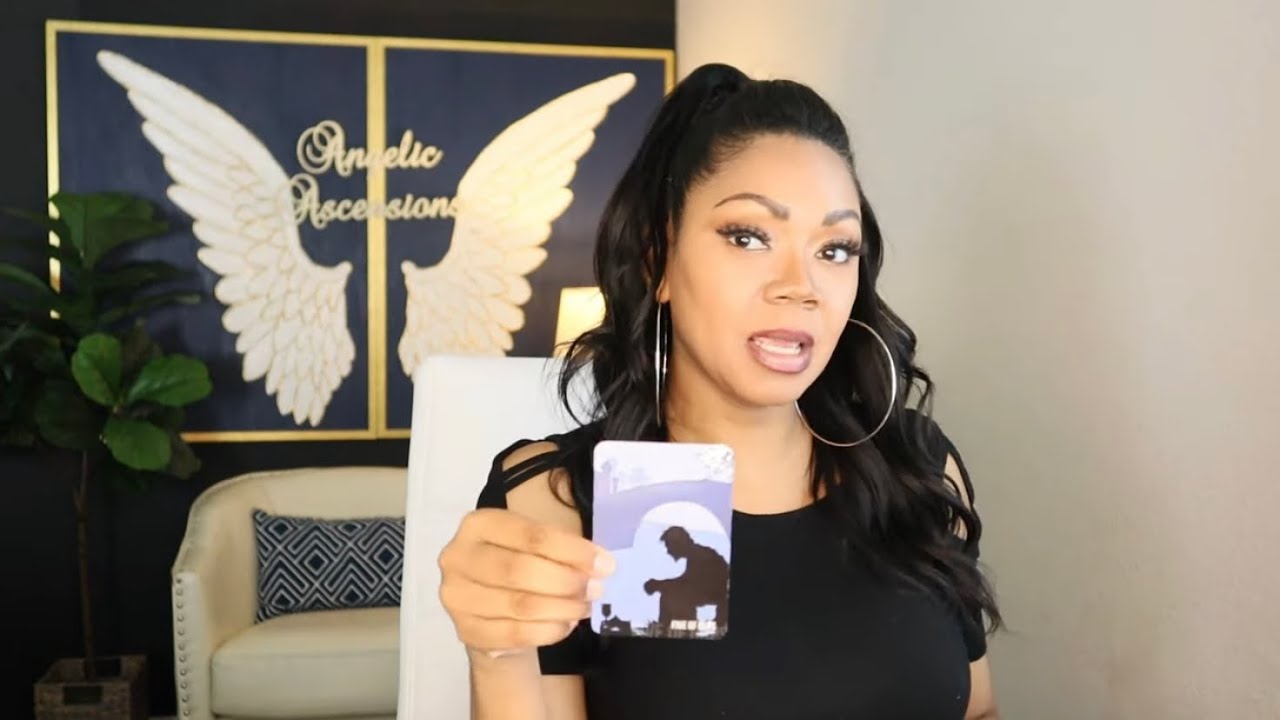
How to Prepare for a Tarot Reading: Questions, Astrological Signs & Mindset
What to do in the days and minutes before your session so the reading goes deep instead of wide: pick a focus, write your questions down, gather a little context, and set up a quiet space.
- Choose one main topic and write your questions down in the order you want them answered.
- Sun, Moon, and Rising signs are optional, and the Rising sign needs an accurate birth time.
- A private spot, a pen, and ten quiet minutes beforehand matter more than any ritual.
1. Decide What the Reading Is For
Start with the topic, not the question. Most sessions go deepest when they have one main focus, such as a relationship, a job decision, a move, or a stretch of feeling stuck, and one or two smaller ones. A reading that tries to cover everything tends to skim.
A quick way to find your focus: ask yourself what you would be most disappointed not to have talked about once the call ends. That is your first question. Everything else goes below it on the list.
If you booked a short, single-topic reading, this step matters even more. Pick the one situation and resist adding a second.
2. Write Your Questions Down and Keep Them Open-Ended
Yes-or-no questions get short answers. 'Will I get the job?' leaves the cards one word to work with. 'What should I understand about this job opportunity, and what can I do to strengthen my position?' gives the reading room to show you context, obstacles, and next steps.
Three rewrites to model yours on:
- Instead of 'Will my ex come back?', try 'What is the energy between us right now, and what do I need to know about where it is heading?'
- Instead of 'Should I quit?', try 'What would staying in this role look like over the next six months, and what would leaving open up?'
- Instead of 'Why does this keep happening to me?', try 'What pattern am I repeating here, and what would help me break it?'
Write the final versions down in the order you want them answered. People routinely forget their second question once the first answer lands.
3. Gather the Context Your Reader Can Use
You do not need to explain your whole history; a reading works best when the cards speak first. A few facts do help, though:
- Names and roles. First names of the people involved, and who they are to you.
- A rough timeline. 'We separated in March' or 'the offer expires Friday' anchors the reading.
- Any decision deadline. If you have to choose by a certain date, say so up front.
Keep it to a sentence or two per question. The goal is to point the reading, not to steer it toward the answer you are hoping for.
4. Look Up Your Sun, Moon, and Rising Signs (Optional)
Your Sun sign comes from your birth date, and most people already know it. Your Moon sign needs the full date and often the birth time, because the Moon changes signs about every two and a half days. Your Rising sign, also called the Ascendant, changes about every two hours, so it needs an accurate birth time and birthplace.
Any free online birth chart calculator will give you all three in under a minute. If you do not know your birth time, share your Sun sign and skip the others. A guessed Rising sign is worse than none.
These are optional. They add texture, letting your reader see how a card's message meets your temperament, but a reading does not depend on them.
5. Set Up Your Space
- Somewhere private. You will be more honest, with yourself and with your reader, if nobody can overhear.
- Pen and paper. Readings move quickly, and details that seem unforgettable in the moment fade within a day.
- A charged phone and good reception. Do not take the call while driving.
- Ten quiet minutes beforehand. Read your questions over, breathe slowly, and let the noise of the day settle.
You do not need candles, crystals, or a ritual unless they help you feel settled. Being calm and undistracted is what counts.
6. During the Reading: Listen First, Then Ask
Let each card's message finish before you respond. It is tempting to jump in with 'yes, but', and the most useful part is often the sentence after the one you reacted to.
When something is unclear, ask about it right then: 'What does that card mean for the timing?' or 'Can you say more about the person you are describing?' Follow-up questions are where a live reading earns its keep.
Expect to hear something you did not ask about. Cards often point to what sits underneath your question. Note it even if it does not make sense yet; these are the parts people say clicked a week later.
7. What to Avoid
- Testing the reader. Withholding everything to see what they pick up uses minutes you paid for.
- Asking the same question again and again. Rephrasing it until the answer changes blurs the reading; it does not change the outcome.
- Asking about someone else's private life. Questions work best when they are about your own path and your part in a situation.
- Handing over the decision. A reading gives you perspective. The choice stays yours.
For booking details, payment, and rescheduling, see the frequently asked questions at the bottom of this page.
Ready to gain personalized clarity?
Schedule a live phone reading to explore your specific questions and roadmap.
More Tarot & Guidance Guides
How to Ask Better Tarot Questions (With Before-and-After Examples)
The question you bring shapes the answer you get. Learn the four qualities of a strong tarot question, with rewrites you can borrow for love, career, money, and personal growth.
What to Do After a Tarot Reading: Notes, Reflection & Next Steps
A reading keeps working after the call ends. How to capture it, sort what you heard, act on it without rushing, and know when another reading is worthwhile.
Love & Relationship Tarot Readings: What to Expect & How They Work
What a love reading can honestly tell you, which cards tend to appear and what they mean in a relationship context, and the questions that work best for where you are right now.
Understanding Tarot Cards: The Major and Minor Arcana Explained
How the 78 cards fit together: the Major Arcana, the four elemental suits, the meaning of each number, the court cards, reversals, and how cards combine in a spread.