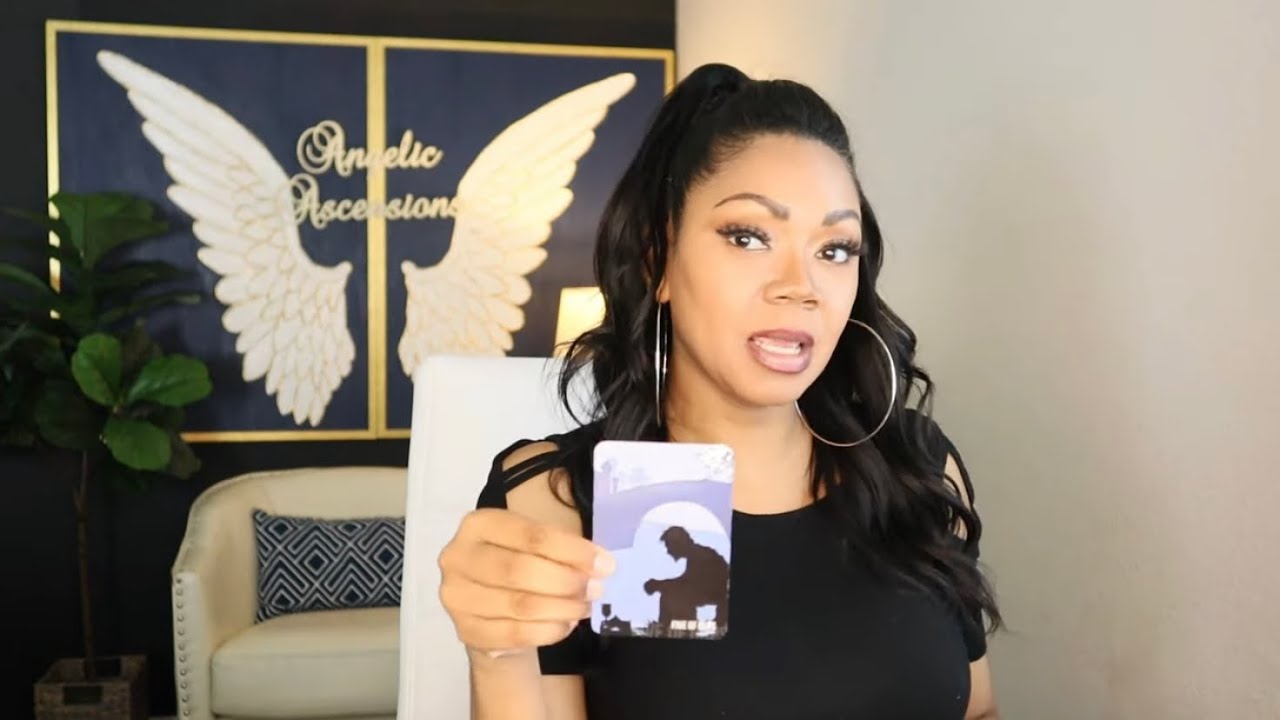
Understanding Tarot Cards: The Major and Minor Arcana Explained
How the 78 cards fit together: the Major Arcana, the four elemental suits, the meaning of each number, the court cards, reversals, and how cards combine in a spread.
- Major Arcana cards mark big themes and turning points; Minor Arcana cards show day-to-day events and feelings.
- Knowing a card's suit and number gets you most of its meaning without memorizing 78 definitions.
- Death, The Tower, and The Devil describe change, upheaval, and attachment, not literal disaster.
1. The 78-Card Structure
A standard tarot deck has 78 cards in two groups. The 22 Major Arcana cards describe major themes, turning points, and life lessons. The 56 Minor Arcana cards describe everyday circumstances, feelings, and decisions.
The Minor Arcana breaks down further into four suits of fourteen cards each: ten numbered cards from Ace to Ten, plus four court cards. Once you know that structure, a deck stops looking like 78 separate things to memorize.
2. The Major Arcana: The Fool's Journey
The Major Arcana runs from card 0, The Fool, to card XXI, The World. Read in order, it tells the story of a person setting out with no experience and growing into wholeness. A common way to learn it is in three rows of seven:
- Cards I to VII (The Magician to The Chariot). The outer world: learning skills, meeting authority, forming relationships, and taking control of your direction.
- Cards VIII to XIV (Strength to Temperance). The inner world: patience, solitude, cycles of fate, accountability, surrender, endings, and finding balance.
- Cards XV to XXI (The Devil to The World). Transformation: facing what binds you, having false structures fall, then hope, clarity, renewal, and completion.
When a Major Arcana card appears in a reading, it signals that the matter carries weight beyond the day-to-day.
3. The Cards People Fear
- Death. An ending that makes room for what comes next: a chapter closing, a role outgrown. It almost never refers to physical death.
- The Tower. Sudden change that removes something built on a weak foundation. It is uncomfortable, and it tends to be clarifying.
- The Devil. Attachment, habit, or a situation you feel unable to leave. The figures in the traditional image wear loose chains; the card is about noticing you can take them off.
These cards describe real difficulty, and they also point to where the most change is available.
4. The Four Suits of the Minor Arcana
Each suit corresponds to an element and an area of life:
- Wands (Fire). Passion, drive, creativity, and ambition.
- Cups (Water). Emotions, relationships, intuition, and love.
- Swords (Air). Thoughts, communication, truth, and conflict.
- Pentacles (Earth). Money, work, health, and the home.
When one suit dominates a spread, it tells you where the situation is really playing out. A career question answered mostly in Cups suggests the issue is how you feel about the work, not the work itself.
5. What the Numbers Mean
The numbered cards follow the same arc in every suit:
- Aces. A beginning, a seed, or an opportunity.
- Twos. A choice, a partnership, or a balance.
- Threes. Growth, collaboration, and first results.
- Fours. Stability, rest, and structure.
- Fives. Conflict, loss, or disruption.
- Sixes. Recovery, harmony, and generosity.
- Sevens. Assessment, testing, and standing your ground.
- Eights. Movement, effort, and developing mastery.
- Nines. Near completion, with the rewards or the weight of everything so far.
- Tens. The end of a cycle and its full consequences.
Combine number and suit and you have the core of a card. The Five of Pentacles is disruption in the material world: financial strain or feeling left out in the cold. The Ace of Cups is a beginning in the emotional world: a new feeling or connection.
6. The Court Cards
Each suit has a Page, Knight, Queen, and King. They can represent actual people in your life, a part of your own personality, or the approach a situation calls for.
- Pages. Curious and learning. They often bring news or a new interest.
- Knights. In motion. They pursue the suit's energy, sometimes too fast and sometimes too slow.
- Queens. Mastery turned inward. They embody the suit's qualities and nurture them in others.
- Kings. Mastery turned outward. They direct the suit's energy with authority and responsibility.
The Queen of Swords, for example, is clear-sighted and direct. In a reading she might be a frank colleague, or a nudge for you to say the honest thing.
7. Reversed Cards
A card that lands upside down is called reversed. Readers work with reversals in different ways, and some do not use them at all. The most common interpretations are that the card's energy is blocked or delayed, that it is being felt privately instead of expressed, or that it is present in excess or in short supply.
A reversal seldom flips a card into its opposite. The Three of Cups upright is celebration with friends; reversed, it may point to feeling left out of the group or needing time alone.
8. How Cards Work Together in a Reading
Individual meanings are the vocabulary. A reading is what happens when the cards are put into a sentence. Readers look at patterns across the whole spread:
- Many Major Arcana cards suggest forces larger than daily choices are involved.
- A repeated number, such as three Fives, underlines that number's theme.
- A missing suit can be as telling as a dominant one. No Cups in a relationship reading is worth noticing.
- Position changes meaning. The same card reads differently as the past, the obstacle, or the likely outcome.
This is why two people can draw the same card and receive different messages, and why an intuitive reading goes beyond a list of definitions.
Ready to gain personalized clarity?
Schedule a live phone reading to explore your specific questions and roadmap.
More Tarot & Guidance Guides
How to Prepare for a Tarot Reading: Questions, Astrological Signs & Mindset
What to do in the days and minutes before your session so the reading goes deep instead of wide: pick a focus, write your questions down, gather a little context, and set up a quiet space.
Love & Relationship Tarot Readings: What to Expect & How They Work
What a love reading can honestly tell you, which cards tend to appear and what they mean in a relationship context, and the questions that work best for where you are right now.
How to Ask Better Tarot Questions (With Before-and-After Examples)
The question you bring shapes the answer you get. Learn the four qualities of a strong tarot question, with rewrites you can borrow for love, career, money, and personal growth.
Career & Money Tarot Readings: Getting Clarity on Work and Finances
How tarot approaches job decisions, burnout, workplace dynamics, and money patterns, which cards show up most often, and how to turn a career reading into a plan.